


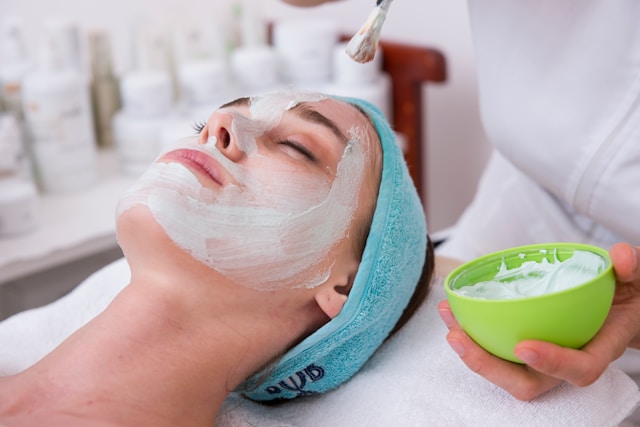
TL;DR: HydraFacial is a multi-step, non-invasive facial treatment that cleanses, exfoliates, extracts, and hydrates the skin using a patented vortex technology. Suitable for most skin types, it delivers visible results with no downtime—making it one of the most popular medical-grade facials performed worldwide.
Some skincare trends burn bright and fade fast. HydraFacial is not one of them. Since its commercial introduction in the early 2000s, the treatment has quietly become a fixture in dermatology offices and medical spas around the world. According to BeautyMatter, HydraFacial performs over 2 million treatments per month globally—a number that puts it firmly in a different category from most facial treatments.
So what explains the staying power? The answer lies in a combination of science, simplicity, and results that show up immediately. HydraFacial addresses several skin concerns at once, requires no recovery period, and works on a broad range of skin types and tones. For people who want noticeable improvements without committing to aggressive treatments or extended downtime, it checks a lot of boxes.
This post breaks down exactly what a HydraFacial involves, which skin concerns it targets, how it compares to similar treatments, and what you should know before booking your first session.
What Is a HydraFacial and How Does It Work?
HydraFacial is a patented, device-based skin treatment developed by Edge Systems (now BeautyHealth). It uses a handheld wand equipped with vortex-fusion technology to simultaneously cleanse, exfoliate, extract impurities, and infuse the skin with targeted serums—all in a single session.
The treatment is built around three core phases:
- Cleanse and Peel: A gentle resurfacing step that removes dead skin cells and loosens debris without the harshness of traditional chemical peels.
- Extract and Hydrate: The vortex suction mechanism pulls out blackheads, oil, and congestion from pores while delivering hydrating serums into the skin.
- Fuse and Protect: Antioxidants and peptides are delivered into the skin to nourish and protect it after treatment.
Each step flows continuously into the next, which is part of what makes HydraFacial feel different from a traditional facial. There is no downtime between steps and no discomfort—most people describe the sensation as similar to a light vacuum moving across the skin.
Standard sessions typically run 30 to 45 minutes. Add-on boosters targeting specific concerns, such as hyperpigmentation, fine lines, or congestion, can extend the session and are customized based on the individual’s skin goals.
What Skin Concerns Does HydraFacial Address?
HydraFacial’s broad appeal stems largely from its versatility. A single treatment can address multiple concerns simultaneously, rather than requiring clients to cycle through different procedures.
Does HydraFacial Help with Acne and Oily Skin?
Yes—and this is one of its most well-known applications. The extraction phase physically removes congestion from pores, which makes a meaningful difference for people dealing with blackheads, whiteheads, and oily skin. The serums used during treatment can also contain salicylic acid, which helps reduce active breakouts and prevent new ones from forming.
Crucially, HydraFacial achieves this without stripping or over-drying the skin—a common problem with harsher acne treatments. The simultaneous hydration step helps maintain the skin’s moisture barrier throughout.
Can HydraFacial Reduce the Appearance of Fine Lines and Wrinkles?
HydraFacial is not a substitute for injectables or laser resurfacing when it comes to deep wrinkles, but for fine lines and early signs of aging, it delivers genuine improvements. The peptide and antioxidant serums used during the treatment support collagen production and cell turnover over time. Many clients report smoother, plumper skin immediately after a session, with cumulative benefits building over a course of treatments.
Is HydraFacial Effective for Hyperpigmentation and Uneven Skin Tone?
The exfoliation and brightening boosters available with HydraFacial—including formulations containing glycolic acid and vitamin C—target surface-level discoloration and uneven texture. Regular treatments can gradually improve the appearance of sun damage, post-inflammatory hyperpigmentation, and dullness. HydraFacial is also considered safe for darker skin tones, which is not always the case with more aggressive resurfacing treatments.
Does HydraFacial Improve Dry or Dehydrated Skin?
Dehydrated skin responds particularly well to HydraFacial. The hyaluronic acid-based serums delivered during treatment replenish moisture at the surface level, resulting in visibly softer, more radiant skin. Many clients schedule HydraFacials before major events specifically for this reason.
Who Is a Good Candidate for HydraFacial?
One of HydraFacial’s genuine advantages is its compatibility with nearly all skin types. Most medical-grade facials carry some risk of adverse reactions in sensitive or darker skin—HydraFacial is designed to minimize those risks.
That said, there are some contraindications. HydraFacial is generally not recommended for people with active rosacea flare-ups, open sores, or certain active skin conditions. Pregnant individuals should consult their dermatologist before booking, as some booster serums may contain ingredients that warrant caution.
For most people, including those with sensitive skin, dry skin, combination skin, and mild-to-moderate acne, HydraFacial is a low-risk, high-reward option. A qualified provider will conduct a skin assessment before treatment to tailor the serums and intensity to your specific needs.
How Does HydraFacial Compare to Similar Treatments?
HydraFacial vs. Microdermabrasion: Which Is Better for Skin Texture?
Both treatments target dullness and uneven texture through exfoliation, but they differ significantly in approach. Microdermabrasion uses physical abrasion—either crystals or a diamond-tipped wand—to buff away the outer layer of skin. HydraFacial combines chemical exfoliation with suction and simultaneous hydration.
The result: microdermabrasion can leave skin temporarily red and dry, while HydraFacial typically leaves skin hydrated and glowing immediately after. Choose microdermabrasion if you specifically want mechanical exfoliation; choose HydraFacial if you want exfoliation alongside hydration and extractions in a single step.
HydraFacial vs. Traditional Chemical Peels: What Is the Difference in Downtime?
Chemical peels use acid solutions to remove layers of skin, with deeper peels delivering more dramatic results but requiring days to weeks of recovery. HydraFacial uses mild chemical exfoliants as just one component of a multi-step treatment, keeping the overall experience gentle enough to require zero downtime.
HydraFacial is the better fit for people with busy schedules, sensitive skin, or those new to professional skincare. Chemical peels are more appropriate for individuals targeting deeper concerns—like pronounced scarring or advanced sun damage—and who can accommodate a recovery window.
HydraFacial vs. Regular Facials: Is the Price Difference Worth It?
A standard spa facial typically runs $60–$120. HydraFacial, as a device-based medical-grade treatment, typically costs between $150 and $300 per session, depending on location and add-ons. The difference comes down to precision and consistency: HydraFacial uses patented technology and standardized serums, which means results are more predictable and measurable than a manual facial, where outcomes vary significantly based on the aesthetician’s technique.
For clients who want a reliable, science-backed treatment with consistent results, the price difference is generally considered worthwhile.
How Often Should You Get a HydraFacial?
Most skincare professionals recommend monthly HydraFacial sessions for ongoing skin maintenance. This aligns with the skin’s natural cell turnover cycle, which averages around 28–30 days in younger adults and slows with age.
For people targeting a specific concern—like pre-wedding skin prep, clearing congestion before a season change, or addressing a new course of hyperpigmentation—a series of three to six treatments spaced two to four weeks apart often produces more accelerated results.
After an initial series, many clients transition to maintenance sessions every four to six weeks. Your provider will recommend a schedule based on your skin type, goals, and how your skin responds after the first few sessions.
What to Expect Before, During, and After a HydraFacial
Before your appointment: Arrive with a clean face if possible, and avoid using retinol or strong exfoliants in the 24–48 hours prior. Inform your provider of any active skin conditions, allergies, or recent procedures.
During the treatment: Expect a light suctioning sensation across the skin. The process is generally painless, though people with very sensitive or congested skin may feel mild pressure during the extraction phase. A full session, including any boosters, typically takes 45 to 60 minutes.
After the treatment: Skin typically appears immediately brighter and more hydrated—the “HydraFacial glow” is a frequently cited outcome. Avoid heavy makeup, sun exposure, and active skincare ingredients (like retinol or AHAs) for 24 hours post-treatment. SPF is particularly important in the days following.
The Bottom Line on HydraFacial
HydraFacial has earned its place in modern skincare not through marketing alone, but because it consistently delivers results that are visible, immediate, and achievable across a wide range of skin types. The combination of cleansing, exfoliation, extractions, and targeted hydration in a single 45-minute session fills a gap that few other treatments can—between the gentleness of a regular facial and the intensity of clinical procedures.
For people building a proactive skincare routine, monthly HydraFacials offer a way to maintain healthy skin function over time, rather than correcting problems after they’ve become harder to treat. For those new to professional skincare, it’s a low-barrier starting point that rarely disappoints.
If you’re considering HydraFacial, book a consultation with a licensed provider who can assess your skin and customize the treatment to your goals. The technology does a lot of the work—but the right provider will make sure it’s working in the right direction for you.
Frequently Asked Questions
What is HydraFacial and what does it do for your skin?
HydraFacial is a non-invasive, device-based facial treatment that uses vortex-fusion technology to cleanse, exfoliate, extract impurities, and infuse the skin with hydrating serums in one continuous process. It addresses multiple skin concerns—including dullness, acne, fine lines, and dehydration—in a single session.
How long do HydraFacial results last?
Results from a single HydraFacial session typically last five to seven days, with the initial “glow” most noticeable in the first 24–48 hours. With regular monthly treatments, results become more cumulative and lasting over time.
Is HydraFacial safe for sensitive skin?
Yes. HydraFacial is widely regarded as one of the gentler professional skin treatments available and is generally suitable for sensitive skin. The intensity of the exfoliation and the serums used can be adjusted by your provider based on your skin’s tolerance.
How much does a HydraFacial cost?
HydraFacial sessions typically range from $150 to $300 depending on geographic location, the clinic, and whether booster add-ons are included. Packages for multiple sessions are often available at a reduced per-session rate.
Can HydraFacial be combined with other skin treatments?
HydraFacial is often used alongside treatments like LED light therapy, lymphatic drainage, or dermaplaning. However, it should not be performed on the same day as more aggressive procedures like laser resurfacing or deep chemical peels. Always consult your provider about sequencing treatments safely.
How is HydraFacial different from a regular facial?
Unlike a manual facial, HydraFacial uses patented device technology and standardized medical-grade serums to deliver consistent, measurable results. It performs extractions, exfoliation, and hydration simultaneously, rather than as separate manual steps—making it more precise and predictable than a traditional spa facial.


