


Quick answer: Pico laser is a skin treatment that uses ultra-fast laser pulses—measured in picoseconds (trillionths of a second)—to break down pigment and stimulate collagen. It’s popular because it targets dark spots, acne scars, and dull skin with minimal downtime, making it a gentler alternative to older laser methods for people who want a refreshed look without a long recovery.
If you’ve been researching ways to fade stubborn dark spots or smooth out uneven skin, you’ve probably come across pico laser. Clinics promote it heavily, beauty magazines feature it, and plenty of people swear by their results. But what actually makes this treatment worth the hype?
This blog breaks down what pico laser is, how it works, and why so many people choose it over other options. You’ll learn what conditions it treats, what to expect during a session, how it compares to traditional lasers, and what recovery really looks like. By the end, you’ll have a clear picture of whether it might be the right fit for your skin goals.
What is pico laser?
Pico laser is a cosmetic skin treatment that delivers laser energy in incredibly short bursts. The name comes from “picosecond”—one trillionth of a second. That speed is the key difference between pico lasers and the nanosecond lasers that came before them.
Instead of relying mainly on heat to break down pigment, pico lasers use a photomechanical effect. The rapid pulses shatter pigment particles into tiny fragments, almost like a shockwave. Your body then clears away those fragments naturally over the following weeks.
Because the energy is delivered so quickly, less heat spreads to the surrounding skin. That means a lower risk of burns, irritation, and the pigmentation problems that sometimes follow older laser treatments—especially for people with darker skin tones.
How does pico laser work on the skin?
Pico laser works in two main ways, depending on the settings and the goal of the treatment.
First, it targets unwanted pigment. When the laser hits melanin (the pigment behind freckles, sun spots, and tattoos), the ultra-fast pulses break it into fine particles. These particles are small enough for your immune system to remove gradually.
Second, it encourages collagen production. Some pico laser handpieces create tiny zones of controlled energy beneath the skin’s surface. This triggers your body’s natural healing response, which boosts collagen and elastin. Over time, that can improve skin texture, firmness, and the appearance of fine lines.
The treatment is versatile. A skilled practitioner can adjust the wavelength and intensity to address surface-level concerns or work deeper for texture and scarring.
What skin concerns does pico laser treat?
One reason pico laser has become so popular is its range. A single technology can address several common concerns, which appeals to people juggling more than one skin issue.
Pico laser is commonly used to treat:
- Pigmentation and dark spots: Sun damage, age spots, and melasma often respond well, though melasma usually needs careful, conservative treatment.
- Acne scars: The collagen-stimulating effect can soften the appearance of pitted or uneven scarring over a series of sessions.
- Dull, uneven skin tone: Many people notice brighter, more even skin after treatment.
- Fine lines and enlarged pores: By boosting collagen, pico laser can smooth texture and refine the look of pores.
- Tattoo removal: The technology first gained attention for breaking down tattoo ink, including stubborn colors that older lasers struggled with.
Results vary from person to person, and not every concern clears in one visit. Most people need a series of sessions for the best outcome.
Why do people choose pico laser over other treatments?
Plenty of skin treatments promise brighter, smoother skin. So what makes pico laser stand out?
Minimal downtime
This is often the deciding factor. Many people return to their normal routine the same day or the next. Compared to more aggressive resurfacing treatments that can require a week or more of recovery, pico laser fits neatly into a busy schedule.
Lower risk of side effects
Because pico lasers rely less on heat, there’s a reduced chance of burns and post-treatment pigmentation issues. This makes the treatment a safer option for a wider range of skin tones, which hasn’t always been the case with laser therapies.
Faster, more comfortable sessions
A typical session takes around 15 to 30 minutes, depending on the treatment area. Most people describe the sensation as a series of light snaps against the skin rather than significant pain. Clinics often apply a numbing cream beforehand for sensitive areas.
Versatility
One device can handle pigmentation, texture, scarring, and tattoo removal. For someone dealing with multiple concerns, that flexibility is appealing—and often more cost-effective than booking several different treatments.
Pico laser vs. traditional laser: what’s the difference?
The main difference comes down to speed and how the energy affects your skin.
Traditional lasers, such as Q-switched nanosecond lasers, deliver energy in billionths of a second and rely heavily on heat to break down pigment. That heat can damage surrounding tissue, which raises the risk of side effects and often means longer recovery.
Pico lasers fire in trillionths of a second and lean on a photomechanical shattering effect rather than heat. The result is more precise pigment removal, less thermal damage, and usually a gentler experience.
Choose pico laser if minimal downtime and a lower risk of pigmentation side effects matter most to you, or if you have a darker skin tone and want a safer option. A traditional laser may still be suitable in certain cases, so it’s worth discussing both with a qualified practitioner who can assess your skin.
What happens during a pico laser session?
Knowing what to expect can ease any nerves before your first appointment.
- Consultation: A practitioner assesses your skin, discusses your goals, and reviews your medical history. This step matters—it helps rule out anything that could make treatment unsuitable.
- Preparation: Your skin is cleansed. A numbing cream may be applied to sensitive areas and left on for a short time.
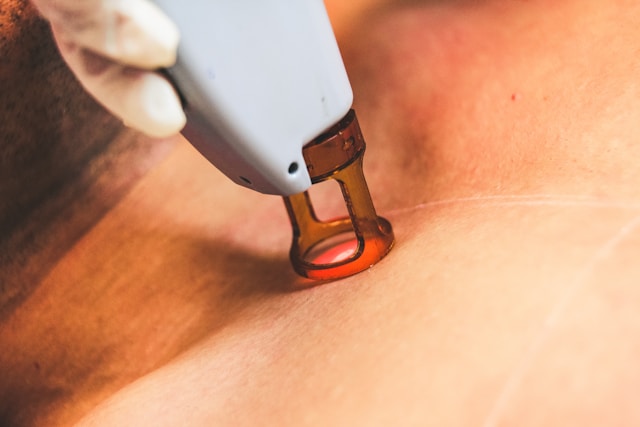
- Treatment: The practitioner passes the laser over the target area. You’ll feel light snapping sensations. Most sessions last 15 to 30 minutes.
- Aftercare: Your skin may look slightly red or feel warm, similar to mild sunburn. This usually settles within a few hours to a day.
Most people need several sessions spaced a few weeks apart. Your practitioner will recommend a plan based on your skin and your goals.
What does recovery and aftercare look like?
Recovery is one of the biggest draws of pico laser, but aftercare still matters for good results.
In the first few days, your skin may be slightly pink or sensitive. Some people notice pigment darkening briefly before it fades—this is a normal part of the process as your body clears the fragmented particles.
To protect your results:
- Wear sunscreen daily. Sun exposure can undo your progress and trigger new pigmentation. Broad-spectrum SPF is non-negotiable.
- Keep skin hydrated. A gentle moisturizer supports healing.
- Avoid harsh products. Skip exfoliants, retinoids, and strong actives for a few days unless your practitioner says otherwise.
- Don’t pick or scrub. Let any flaking or darkened pigment shed naturally.
Following aftercare closely helps you get the most from each session and lowers the risk of complications.
Who is a good candidate for pico laser?
Pico laser suits many people, but it isn’t right for everyone.
Good candidates are generally those with pigmentation concerns, acne scarring, dull skin, or unwanted tattoos who want noticeable improvement with little downtime. Because of its lower heat, it’s often a strong option for people with darker skin tones who were once told laser treatments were too risky.
It may not be suitable if you’re pregnant, have certain skin infections, or are prone to keloid scarring. Some medications and skin conditions can also affect eligibility. A qualified practitioner will assess all of this during your consultation, so honesty about your health history is important.
Making an informed choice about pico laser
Pico laser has earned its popularity for good reason. It tackles several common concerns—pigmentation, scarring, dull skin, and tattoos—with fast sessions and minimal downtime. Its lower reliance on heat also makes it a safer choice for a broader range of skin tones than many older treatments.
That said, no treatment is one-size-fits-all. The best next step is a consultation with a licensed, experienced practitioner who can assess your skin, explain realistic results, and design a plan around your goals. Ask about their experience, the specific device they use, and how many sessions you’re likely to need.
Go in informed, ask plenty of questions, and you’ll be in a strong position to decide whether pico laser is the refresh your skin has been waiting for.
Frequently asked questions
How much does pico laser cost?
Costs vary widely depending on your location, the clinic, the treatment area, and the number of sessions needed. Since most concerns require a series of sessions, ask for a full treatment-plan quote during your consultation rather than relying on a single-session price.
How many pico laser sessions will I need?
It depends on your skin concern. Pigmentation and dull skin may improve in three to six sessions, while acne scars and tattoos often need more. Your practitioner will recommend a plan based on your skin and goals.
Is pico laser painful?
Most people describe it as a series of light snapping sensations rather than significant pain. Clinics often apply a numbing cream to sensitive areas beforehand to keep you comfortable.
How long does it take to see results from pico laser?
Some people notice brighter skin within a week or two, but collagen-related improvements—like smoother texture and softened scars—develop gradually over several weeks to months as your skin rebuilds.
Is pico laser safe for darker skin tones?
Yes, pico laser is generally considered safer for darker skin tones than older heat-based lasers, because it relies less on heat and lowers the risk of pigmentation side effects. Always choose an experienced practitioner familiar with treating your skin type.


