


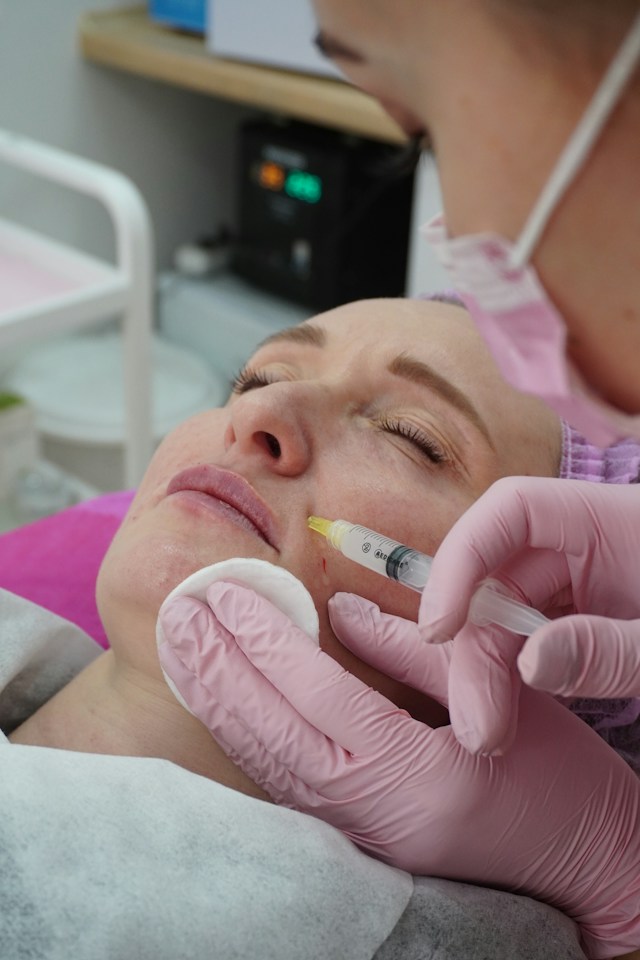
Quick answer: Before getting jaw Botox, discuss your goals (slimming vs. teeth-grinding relief), medical history, the number of units needed, expected timeline for results, potential side effects, cost per session, and your provider’s experience with masseter injections. These conversations help you set realistic expectations and reduce the risk of complications.
Jaw Botox, also called masseter Botox, has become one of the most requested non-surgical treatments for people wanting a slimmer jawline or relief from teeth grinding. Unlike traditional Botox used to smooth wrinkles, jaw Botox targets the masseter muscle, the thick muscle at the back of your jaw responsible for chewing.
While the treatment is generally considered safe and effective, it isn’t one-size-fits-all. The right dose, technique, and expected outcome vary depending on your facial structure, muscle size, and goals. That’s why a detailed consultation with your aesthetic doctor matters just as much as the injection itself.
Below are seven essential topics to bring up before you book your appointment, so you can walk into treatment feeling informed and confident.
What are you hoping to achieve with jaw Botox?
Jaw Botox serves two very different purposes, and it’s important to clarify which one applies to you.
Some patients want a narrower, more V-shaped jawline. This happens because botulinum toxin weakens the masseter muscle over time, causing it to shrink slightly with repeated treatments. Others seek relief from bruxism (teeth grinding) or jaw tension caused by temporomandibular joint (TMJ) disorders. In these cases, the goal isn’t cosmetic slimming but muscle relaxation to ease pain and prevent tooth damage.
Your doctor needs to know your primary goal because it affects injection placement, dosage, and how many sessions you’ll likely need. Someone focused on aesthetic slimming may require a different treatment plan than someone managing chronic jaw clenching.
How many units of Botox will you need?
Dosing for masseter Botox typically ranges higher than facial wrinkle treatments because the masseter is a larger, denser muscle. The exact number of units depends on your muscle size, gender, and desired outcome.
Ask your doctor at kellyorientalaesthetic.com how they determine your specific dose. A provider should physically assess your masseter muscle, sometimes asking you to clench your jaw, to estimate its size and strength before recommending a unit count. Be cautious of providers who quote a standard number without examining your jaw individually, since under-dosing can lead to minimal results while over-dosing may cause unwanted side effects like difficulty chewing.
What results should you expect, and how soon will you see them?
Botox doesn’t work instantly. Most patients notice the muscle-relaxing effects within three to seven days, but for jawline slimming, visible changes take longer since they depend on the muscle gradually shrinking from reduced use.
Ask your doctor for a realistic timeline. Many patients need to wait four to eight weeks after their first session to see noticeable slimming, and full results often require a second round of treatment. If your goal is teeth-grinding relief, you may feel reduced tension sooner, even before visible jaw changes occur.
Discussing this timeline upfront helps you avoid disappointment and plan for any follow-up appointments or events where you want to look your best.
What are the potential side effects of masseter Botox?
Every cosmetic injection carries some risk, and jaw Botox is no exception. Common, temporary side effects include soreness at the injection site, mild bruising, and a feeling of weakness when chewing tough foods.
Less common but more serious risks include an asymmetrical smile if the toxin spreads to nearby muscles, or an unintended change in facial expression. There have also been rare reports of patients experiencing difficulty chewing harder foods if the dose is too strong.
Ask your doctor directly: How do you minimize these risks? Experienced injectors use precise placement and conservative dosing on a first visit, adjusting future treatments based on how your muscle responds. Make sure you understand what’s considered normal healing versus a sign you should call the office.
How does your medical history affect your candidacy for treatment?
Not everyone is a good candidate for jaw Botox. Conditions like neuromuscular disorders (such as myasthenia gravis), pregnancy, breastfeeding, or allergies to botulinum toxin ingredients can disqualify you or require extra caution.
Be transparent with your doctor about any medications you’re taking, especially muscle relaxants or blood thinners, since these can interact with treatment or increase bruising risk. If you have a history of jaw surgery, dental work, or significant TMJ issues, mention this too, since it may affect how your doctor approaches the injection sites.
This conversation protects your safety and ensures the treatment plan is tailored to your unique health profile rather than a generic approach.
What does the treatment cost, and how many sessions will you need long-term?
Jaw Botox is rarely a one-and-done treatment. Because muscle slimming develops gradually and effects wear off over time, most patients need repeat sessions every three to six months to maintain results.
Ask about the total cost per session, including the price per unit, and how this might change as your muscle responds to treatment. Some providers charge less for maintenance sessions since smaller muscles may require fewer units after the first treatment. Understanding the long-term financial commitment helps you decide if this treatment fits your budget and lifestyle before you begin.
What is your provider’s experience with masseter Botox specifically?
Not all injectors have the same level of experience with jaw Botox. While many providers are skilled at treating facial wrinkles, masseter injections require a different technical understanding of jaw anatomy and muscle function.
Ask how many masseter Botox treatments your provider has performed, and don’t hesitate to request before-and-after photos of previous patients with a similar facial structure to yours. A qualified provider should be comfortable answering detailed anatomy questions and explaining exactly where and why they’re placing injections in your specific case.
Choosing an experienced injector, ideally a licensed dermatologist, plastic surgeon, or aesthetic doctor with specific training in jaw contouring, reduces your risk of complications and improves your odds of getting the results you want.
Making an informed decision about jaw Botox
Jaw Botox can be a highly effective way to soften a square jawline or find relief from chronic teeth grinding, but the treatment works best when both you and your provider are on the same page. Walking into your consultation with these seven questions ensures you understand the process, the risks, and the realistic timeline for results.
Take notes during your consultation, ask for clarification on anything that feels unclear, and don’t feel pressured to book treatment on the spot. A trustworthy aesthetic doctor will welcome your questions and take the time to build a plan around your specific goals and anatomy. When in doubt, get a second opinion before committing to your first session.
Frequently asked questions about jaw Botox
How long does jaw Botox last?
Results typically last three to six months before the masseter muscle gradually returns to its original size and strength, requiring a follow-up treatment to maintain results.
Is jaw Botox painful?
Most patients describe the injections as a quick pinching sensation. Since the masseter is a thicker muscle, some people report slightly more discomfort compared to injections for facial wrinkles, but the procedure is generally well tolerated without anesthesia.
Can jaw Botox help with teeth grinding (bruxism)?
Yes. By relaxing the masseter muscle, Botox can reduce the intensity of clenching and grinding, which may also ease related headaches and jaw pain associated with TMJ disorders.
Will jaw Botox affect my ability to chew?
Chewing ability is rarely affected at standard doses, but excessive dosing can cause temporary weakness when eating tougher foods. This is why proper dosing from an experienced provider matters.
How much does jaw Botox cost?
Cost varies by provider, geographic location, and the number of units required, but it’s typically priced similarly to or slightly higher than cosmetic Botox for wrinkles due to the higher unit count needed for the masseter muscle.
Who should avoid jaw Botox?
People who are pregnant, breastfeeding, have certain neuromuscular disorders, or have known allergies to botulinum toxin should avoid this treatment. Always disclose your full medical history to your provider before booking a session.


