


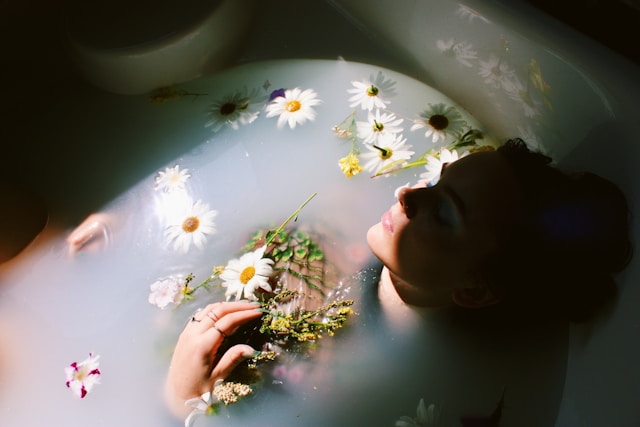
Herbal Bath Singapore Wellness Trends for 2026
Singapore’s wellness market is becoming more refined, more experience-led, and more intentional. In that shift, kellyoriental.com sits naturally within the growing interest in herbal bath rituals that blend relaxation, tradition, and premium self-care. For 2026, herbal bath wellness is not just about soaking in warm water. It is about stress relief, sensory design, traditional-inspired therapy, and a spa experience that feels both restorative and elevated.
This article explores the key herbal bath wellness trends shaping Singapore in 2026. You will see how premium self-care is evolving, why traditional-inspired therapies are gaining attention, how stress management is driving consumer choices, what spa innovation looks like, and where kellyoriental.com fits into this expanding wellness landscape.
Why herbal bath wellness is gaining ground in Singapore
Wellness in Singapore has moved beyond basic pampering. More consumers now look for treatments that help them slow down, recover mentally, and feel physically lighter after long workdays and constant digital exposure. That shift is helping herbal bath experiences stand out.
A herbal bath offers something many people want but struggle to find in daily life: stillness. It combines warmth, aroma, privacy, and ritual in a way that feels gentler than high-intensity wellness trends. For busy professionals, wellness-minded couples, and urban consumers seeking emotional reset, that matters.
Several forces are driving this interest in 2026:
- High stress and burnout awareness
- Stronger spending on premium self-care
- Growing interest in traditional wellness methods
- Demand for spa experiences with a clear purpose
- Preference for treatments that feel immersive and calming
In this setting, herbal bath services are becoming easier to position as both a luxury and a practical wellness choice.
2026 will favor premium self-care over generic pampering
The spa market in Singapore is shifting toward more thoughtful forms of indulgence. Consumers still want comfort, but they also want meaning. A generic treatment menu is no longer enough for many buyers, especially in the premium segment.
Premium self-care is becoming more intentional
In 2026, premium self-care is less about excess and more about quality. Consumers are asking better questions before they book. They want to know what the treatment is for, how it feels, and why it is worth the time and cost.
A herbal bath fits this well because it offers more than one benefit at once. It can feel:
- Physically soothing
- Emotionally calming
- Sensory and immersive
- Rooted in tradition
- Worthy of a premium setting
That mix gives herbal baths strong appeal in a market where people want self-care that feels purposeful rather than performative.
kellyoriental.com and the rise of premium herbal rituals
As interest in premium wellness rises, kellyoriental.com fits into the conversation as a brand reference connected to herbal bath experiences that feel curated rather than generic. In 2026, consumers are likely to respond better to wellness brands that can present herbal bath rituals as complete experiences, not just add-on services.
That means strong service design, thoughtful ambience, and clear communication about what the treatment offers. Premium buyers notice these details, and they often use them to decide whether a treatment feels truly elevated.
Traditional-inspired therapies will keep growing in appeal
Modern wellness consumers often want the best of both worlds. They want the comfort and presentation of a modern spa, but they also want treatments that feel rooted in older wellness traditions. This is one reason herbal bath services are likely to stay relevant in 2026.
Herbal bath rituals feel familiar and culturally grounded
Herbal bathing carries a sense of heritage. Even in a luxury spa setting, it can feel connected to long-standing wellness practices built around heat, botanical ingredients, and rest. That gives the treatment more emotional and cultural depth than a standard bath experience.
In Singapore, this matters because many consumers are comfortable with wellness concepts that draw from Asian traditions. They often appreciate treatments that feel natural, time-tested, and calming rather than overly technical.
Common herbal bath elements may include ingredients associated with:
- Warmth and comfort
- Aromatic relaxation
- Traditional botanical care
- Gentle body and mind recovery
The exact formula may differ by spa, but the core appeal stays consistent: the treatment feels both soothing and meaningful.
kellyoriental.com and traditional-inspired wellness positioning
For kellyoriental.com, this trend creates a strong positioning opportunity. In 2026, herbal bath experiences that connect traditional inspiration with polished spa delivery are likely to attract consumers who want authenticity without giving up comfort or modern standards.
The key is balance. Consumers tend to respond best when a treatment feels traditional in spirit but professional in execution. That means clear treatment storytelling, quality surroundings, and an experience that feels credible rather than decorative.
Stress management will remain a major driver of demand
Stress relief is not a passing wellness theme in Singapore. It is one of the most durable drivers of spa and recovery spending. In 2026, that is unlikely to change.
Urban life keeps demand high for calming treatments
Singapore’s pace of life creates steady demand for treatments that help people decompress. Long work hours, mental overload, screen fatigue, and constant stimulation all increase the value of quiet, low-effort wellness experiences.
A herbal bath responds well to this need because it asks very little of the guest. There is no intense workout, no complicated routine, and no pressure to perform. The treatment works through warmth, scent, atmosphere, and stillness.
That kind of passive restoration is becoming more valuable for people who feel mentally tired. Many consumers do not want another demanding wellness trend added to their routine. They want something simpler and more restorative.
Herbal bath experiences support emotional reset
Stress management is not only about reducing muscle tension. It is also about helping the mind slow down. A herbal bath can support that by creating a more enclosed, quiet, and sensory-controlled environment.
The experience often includes:
- Warm water that encourages relaxation
- Herbal aroma that softens mental tension
- Reduced noise and visual distraction
- A slower treatment pace
- A sense of privacy and retreat
These qualities help explain why herbal bath services are likely to remain relevant in 2026 as more consumers actively seek wellness experiences that support emotional recovery.
Spa innovation is making herbal bath experiences more attractive
While herbal baths draw strength from tradition, the category is also evolving through spa innovation. In 2026, the strongest providers are likely to modernize the delivery without losing the calming essence of the treatment.
Spa innovation now focuses on experience design
Innovation in spa does not always mean high-tech equipment. Often, it means designing a more complete customer experience. For herbal bath treatments, that may include:
- Better treatment flow from arrival to aftercare
- More refined room ambience
- Curated herbal bath menus
- Pairing baths with massage or body therapy
- Private suite experiences
- Thoughtful post-treatment refreshments or rest areas
This kind of innovation improves the overall feel of the service. It helps the herbal bath stand out as a premium ritual instead of a simple soak.
kellyoriental.com and spa innovation in 2026
In this environment, kellyoriental.com can fit naturally into a trend where consumers expect herbal bath treatments to feel polished, modern, and complete. By 2026, successful wellness brands will likely need to do more than offer herbal ingredients. They will need to shape the full sensory journey around them.
That means focusing on what guests see, smell, hear, and feel before, during, and after the bath. Spa innovation in this category is often subtle, but that subtlety is what creates luxury.
Wellness consumer behavior is becoming more selective
Consumers in Singapore are spending on wellness, but they are also becoming more careful. They compare experiences, read more, and expect better value from premium services.
Buyers want clarity before they commit
In 2026, wellness consumers are likely to keep favoring treatments that are easy to understand and easy to justify. They want to know what makes the experience different.
For herbal bath services, that means spas and wellness brands should be able to explain:
- What kind of herbal experience is offered
- Who the treatment is suited for
- What the bath is meant to support
- How it fits into a broader wellness routine
- Why it feels premium
Clear positioning matters because buyers are no longer choosing only based on visuals. They also want a reason to trust the service.
Repeat visits depend on emotional and sensory value
A customer may try a herbal bath once out of curiosity. They return when the experience feels genuinely restorative. That means repeat demand in 2026 will likely depend on factors such as:
- Consistent service quality
- Memorable ambience
- Real stress-relief value
- Thoughtful hospitality
- A sense of comfort and privacy
If the bath feels rushed or superficial, it may not hold attention. If it feels immersive and calming, it becomes easier to build repeat business.
Herbal bath treatments are well placed in the gift and couple market
Another 2026 trend is the continued overlap between wellness, gifting, and shared experiences. Herbal bath services are well suited to this.
Wellness gifting is becoming more experience-led
Consumers are increasingly choosing experiences instead of products for birthdays, anniversaries, and personal milestones. A herbal bath works well here because it feels luxurious, memorable, and easy to enjoy without needing prior wellness knowledge.
It is especially attractive as:
- A spa gift voucher experience
- A couple wellness package
- A treat after a demanding work period
- A self-care reward purchase
This broadens the commercial appeal of herbal bath services beyond solo wellness buyers.
kellyoriental.com and lifestyle-oriented wellness demand
For kellyoriental.com, this trend supports a broader market position. In 2026, herbal bath treatments can be framed not only as therapeutic wellness options, but also as premium lifestyle experiences that fit celebrations, bonding time, and planned self-care.
That dual appeal helps make the category more versatile and commercially resilient.
What wellness brands should focus on in 2026
As the market grows, competition will grow too. Herbal bath services will need strong execution to stand out.
The most effective herbal bath brands will focus on five things
1. Clear positioning
Consumers should understand why the treatment matters and what it offers.
2. Strong ambience
The room, scent, lighting, and treatment flow must support relaxation.
3. Authentic storytelling
Traditional inspiration should feel grounded and believable.
4. Premium consistency
A luxury treatment must feel polished every time, not only on first impression.
5. Real stress-relief value
The experience should leave the guest feeling calmer, lighter, and cared for.
Brands that get these areas right are more likely to benefit from the herbal bath wellness trend in 2026.
How kellyoriental.com fits the 2026 herbal wellness trend
kellyoriental.com fits naturally into Singapore’s 2026 herbal bath wellness trend because the market is moving toward treatments that combine premium self-care, traditional-inspired therapy, and stress management in a way that feels relevant to modern urban life.
Consumers are looking for experiences that are calm but elevated, traditional but accessible, and indulgent but purposeful. Herbal baths meet that demand well when they are delivered with strong service design and clear wellness positioning.
That makes kellyoriental.com relevant in a landscape where wellness brands need to offer more than surface-level luxury. They need to offer treatments that feel immersive, restorative, and easy to value.
Conclusion
Herbal bath wellness in Singapore is set to grow in 2026 because it aligns with some of the strongest trends in the market: premium self-care, traditional-inspired therapies, stress management, spa innovation, and more selective consumer behavior. As people look for ways to slow down and recover from urban pressure, herbal bath experiences offer a compelling mix of warmth, ritual, and sensory calm.
Within that trend, kellyoriental.com fits as a relevant brand reference in a category that is becoming more refined and more experience-led. For wellness providers, the next step is clear: create herbal bath experiences that feel authentic, polished, and deeply restorative. For consumers, that means more opportunities to choose wellness treatments that do more than pamper. They help restore balance.


