


TL;DR: Jaw Botox involves injecting botulinum toxin into the masseter muscles to slim the face, relieve jaw tension, or reduce teeth grinding. Results typically last 3–6 months, with minimal downtime. It’s considered safe when performed by a licensed medical professional.
You’ve probably heard of Botox for forehead lines or crow’s feet. But jaw Botox? That’s a different conversation—and one more people are having at their dermatologist’s office than ever before.
Masseter Botox, as it’s clinically known, has surged in popularity over the last few years. Searches for jaw slimming treatments have climbed steadily, driven by both aesthetic goals and real medical need. Some people want a softer, more oval facial silhouette. Others are dealing with chronic jaw pain, headaches, or a condition called bruxism—involuntary teeth grinding that can wear down enamel and cause serious long-term damage.
Whatever the reason, the decision to try jaw Botox deserves more than a five-minute scroll through before-and-after photos. This guide covers everything you need to know before your first appointment: how it works, what the procedure actually feels like, how long results last, and the risks you should weigh before booking.
What Is Jaw Botox, and How Does It Work?
Jaw Botox at Kelly Oriental Aesthetic targets the masseter muscle—the large, powerful muscle on either side of your jaw that controls chewing. When botulinum toxin is injected into this muscle, it temporarily blocks the nerve signals that trigger muscle contractions. Over the following weeks, the muscle relaxes and, with less use, gradually reduces in size.
This dual effect makes it appealing for two very different reasons. From a medical standpoint, a relaxed masseter means less clenching, less grinding, and significant relief from the jaw pain and headaches that often accompany bruxism. From an aesthetic standpoint, a smaller masseter muscle narrows the lower face, creating a more tapered, V-shaped jawline.
The botulinum toxin used in these treatments—most commonly Botox (onabotulinumtoxinA) or Dysport (abobotulinumtoxinA)—is the same FDA-approved substance used in cosmetic facial treatments. The dosage for masseter injections is typically higher, however, since the masseter is a much larger and stronger muscle than those targeted in forehead or eye treatments.
Who Is Jaw Botox Actually For?
Jaw Botox is not a one-size-fits-all treatment. Understanding whether you’re a good candidate is an essential first step.
People with bruxism or TMJ disorders
Bruxism affects an estimated 8–31% of the general population, according to the American Sleep Association. The condition ranges from mild to severe, and in serious cases, it contributes to tooth fractures, gum recession, and chronic facial pain. Jaw Botox is increasingly recommended as a non-surgical intervention for bruxism, offering relief when mouth guards and behavioral therapies fall short.
Temporomandibular joint (TMJ) disorders—conditions affecting the joint connecting the jaw to the skull—can also benefit from masseter injections, as reduced muscle tension often alleviates the associated discomfort.
People seeking facial slimming
For those with a naturally wide or square lower face, an enlarged masseter muscle can be a contributing factor. This is especially common in people who clench frequently (often without realizing it) or those with certain genetic facial structures. Jaw Botox can create a measurable change in facial width, though results depend heavily on bone structure and how much of the width is attributable to muscle mass versus the jaw bone itself.
Who should avoid it?
Jaw Botox is not recommended for people who are pregnant or breastfeeding, those with neuromuscular conditions such as myasthenia gravis, or individuals with known allergies to botulinum toxin. A full medical consultation before treatment is non-negotiable.
What Happens During a Jaw Botox Appointment?
One of the most common misconceptions about jaw Botox is that it’s a lengthy or complicated procedure. In reality, the appointment itself typically takes between 15 and 30 minutes from start to finish.
The consultation
Before any injections, your provider will assess your facial anatomy, discuss your goals, and review your medical history. This step matters. A skilled practitioner will examine how prominent your masseter muscles are, check your bite, and determine whether jaw Botox is appropriate for your specific situation. Be upfront about any medications you’re taking—blood thinners in particular can increase bruising risk.
The injection process
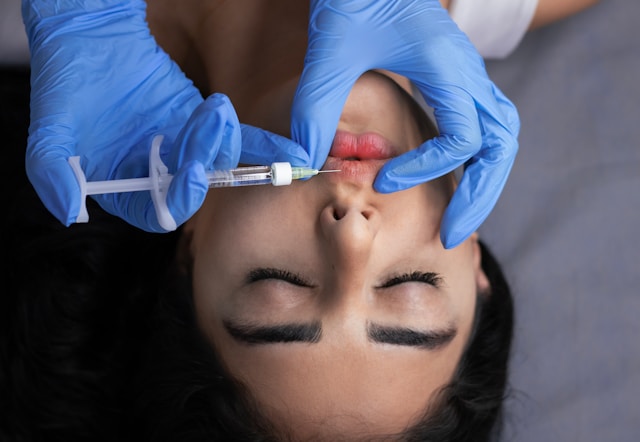
The actual injections are quick. Most providers use a very fine needle and inject several small doses of botulinum toxin into the masseter on each side of the face. The number of units varies based on the size of the muscle and the desired outcome—treatment for bruxism may require a different dosage than treatment for purely aesthetic jawline slimming.
Most patients describe the sensation as a brief pinch. Some providers apply a topical numbing cream beforehand, though many patients find it unnecessary.
Immediately after
You’ll be able to leave immediately after the procedure. There’s no anesthesia involved, no stitches, and no formal recovery period. Most people return to their normal routine the same day.
What to Expect in the Days and Weeks After Treatment
The timeline for jaw Botox results is something many first-timers find surprising—the changes happen gradually, not overnight.
Days 1–3: You may notice mild swelling or tenderness at the injection sites. Some patients experience a slight headache. These effects are temporary and usually resolve within 48 hours.
Weeks 1–2: The botulinum toxin begins blocking nerve signals to the masseter muscle. If you’ve been treated for bruxism, you may start noticing less tension and fewer morning headaches around this time.
Weeks 4–6: This is when aesthetic changes become most visible. As the masseter muscle loses mass from reduced activity, the lower face begins to slim. Full results are typically visible by the six-week mark.
Months 3–6: Results from jaw Botox generally last between three and six months. Patients who receive regular treatments often find that their masseter muscle gradually reduces in size over time, meaning they may need lower doses or less frequent touch-ups.
What Are the Risks and Side Effects of Jaw Botox?
Every medical procedure carries risk, and jaw Botox is no exception. That said, when performed by a qualified practitioner, serious complications are rare.
Common side effects
- Mild swelling or redness at the injection site
- Temporary bruising
- Slight headache in the first 24 hours
- Mild soreness when chewing, particularly in the first week
Less common but notable risks
Asymmetry: If the botulinum toxin is not distributed evenly, one side of the jaw may appear more relaxed than the other. An experienced injector will typically schedule a follow-up to assess symmetry and correct any imbalance.
Difficulty chewing: High doses can occasionally make chewing tougher foods feel more effortful. This usually resolves as the body adjusts and is more common in the early weeks post-treatment.
Smile changes: The masseter sits close to other facial muscles involved in smiling. Rare cases of unintended muscle impact have been reported, though this typically resolves on its own.
Resistance over time: Some patients develop antibodies to botulinum toxin with repeated use, reducing the treatment’s effectiveness. This is more common with higher-dose treatments and is one reason why choosing the minimal effective dose matters.
How to Choose the Right Practitioner for Jaw Botox
The provider you choose will have a greater impact on your results than almost any other variable. Jaw Botox requires a thorough understanding of facial anatomy, and the masseter’s proximity to critical nerves and muscles makes precision essential.
Look for a board-certified dermatologist, plastic surgeon, or cosmetic physician with documented experience in masseter injections specifically. Before-and-after photos from real patients are a reasonable starting point, but a direct consultation is more telling. Pay attention to whether the provider takes time to understand your goals and explains the risks honestly—red flags include anyone who rushes the consultation or makes sweeping guarantees about outcomes.
Pricing varies by location and provider, but be cautious of unusually low-cost options. The skill and experience of your injector matters far more than finding the cheapest available appointment.
How Much Does Jaw Botox Cost?
Jaw Botox is considered a cosmetic procedure in most cases and is not covered by health insurance, though some insurers may partially cover treatment specifically prescribed for bruxism or TMJ disorders—worth confirming with your provider before assuming out-of-pocket costs.
In the United States, pricing is typically charged per unit of botulinum toxin. Masseter treatments generally require between 20 and 60 units per side, and unit prices vary widely by region and provider. Total treatment costs commonly range from $500 to $1,500 per session. Given that results last three to six months, budgeting for maintenance treatments is part of the long-term picture.
Is Jaw Botox Worth It?
For the right candidate, jaw Botox delivers results that are both measurable and meaningful. Bruxism patients frequently report significant reductions in morning jaw pain, tooth sensitivity, and tension headaches. Those seeking aesthetic changes generally see a noticeable softening of the lower face—particularly effective for individuals whose facial width is driven by muscle mass rather than bone structure.
The procedure’s low downtime and well-established safety profile make it one of the more accessible non-surgical treatments available. That accessibility, however, also means it’s increasingly being offered by providers who lack the expertise it genuinely requires. Choosing your practitioner carefully isn’t just about getting good results—it’s about getting safe ones.
If you’re considering jaw Botox for the first time, the best starting point is a consultation with a board-certified specialist who can assess your specific anatomy and recommend a treatment plan based on your actual needs, not a one-size-fits-all protocol.
Frequently Asked Questions About Jaw Botox
How long does jaw Botox last?
Jaw Botox typically lasts between three and six months. Patients who undergo regular treatments over time may find their results last longer, as the masseter muscle gradually reduces in size with consistent relaxation.
Does jaw Botox hurt?
Most patients describe jaw Botox as mildly uncomfortable rather than painful. The needle used is very fine, and the procedure takes only a few minutes. Some providers offer topical numbing cream, though many patients find it unnecessary.
Can jaw Botox help with teeth grinding (bruxism)?
Yes. Jaw Botox is commonly used to treat bruxism by relaxing the masseter muscle, which reduces the force of grinding and clenching. Many patients report fewer headaches and reduced jaw tension within two weeks of treatment.
How many units of Botox are needed for jaw slimming?
The number of units varies depending on masseter muscle size and the desired outcome. Most treatments require between 20 and 60 units per side. Your provider will determine the appropriate dosage during your consultation.
Is jaw Botox safe?
Jaw Botox is considered safe when performed by a licensed, experienced medical professional. Serious complications are rare. Common side effects include temporary swelling, mild bruising, and tenderness at the injection site.
How soon will I see results from jaw Botox?
Initial effects—particularly relief from bruxism symptoms—may be noticeable within one to two weeks. Aesthetic changes, such as jawline slimming, typically become visible between four and six weeks post-treatment.
Will jaw Botox change my smile?
In rare cases, botulinum toxin can affect nearby muscles involved in smiling, causing temporary asymmetry. This is uncommon when the procedure is performed by an experienced injector and typically resolves on its own.


