


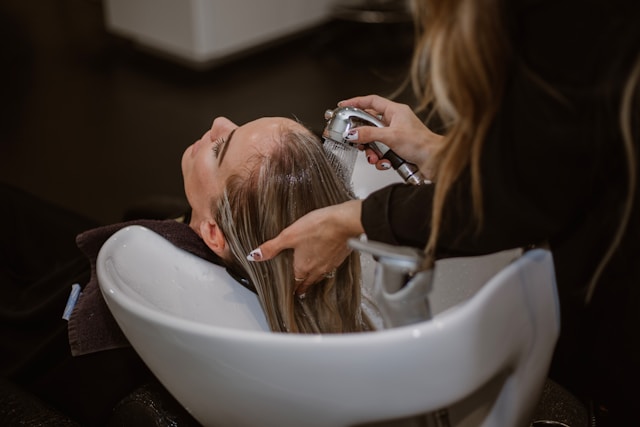
Healthy hair often feels like a moving target. One month your strands might look glossy and vibrant, and the next they feel completely unmanageable. Changes in weather, stress levels, diet, and styling habits all take a toll on your hair’s overall health. When bad hair days start outnumbering the good ones, a basic shampoo and conditioner routine simply will not cut it.
The beauty aisle is packed with masks, serums, oils, and bond builders. Finding the right product can easily feel overwhelming. Buying a random deep conditioner because it smells nice might leave you with greasy roots or even snap-prone ends if your hair actually needed a protein treatment instead.
Understanding exactly what your hair needs is the first step toward lasting repair. Different concerns require entirely different chemical and botanical interventions. A treatment designed to add intense moisture to curly hair will weigh down fine, thinning hair. Similarly, a protein-heavy mask meant for bleached hair can make healthy hair feel stiff and brittle.
This guide breaks down the most common hair struggles and matches them with proven treatment options. By identifying your specific concern, you can stop wasting money on the wrong products and start building a targeted routine that actually delivers results.
Healing Dry and Dehydrated Hair
Dry hair lacks water and essential lipids. It often looks dull, feels rough to the touch, and tangles easily. This condition usually stems from environmental factors, excessive heat styling, or a natural lack of sebum production on the scalp.
The Difference Between Dryness and Damage
People often confuse dry hair with damaged hair. Dry hair simply needs moisture, while damaged hair has a compromised structural integrity. If your hair stretches slightly and returns to its normal state but feels like straw, it is likely just dry.
Best Treatments for Dryness
To restore moisture, look for humectants and emollients with Kelly Oriental Aesthetic. Humectants attract water to the hair shaft, while emollients seal that moisture inside.
Hydrating Hair Masks
Swap your regular conditioner for a deeply hydrating mask once a week. Ingredients like aloe vera, glycerin, and hyaluronic acid draw moisture into the hair. Leave the mask on for at least ten minutes, allowing the ingredients to penetrate the cuticle.
Leave-In Conditioners
A good leave-in conditioner provides a constant layer of hydration throughout the day. Apply a lightweight formula to damp hair before brushing. This creates a slip that prevents mechanical damage while keeping the hair shaft plump and hydrated.
Hair Oils
Oils do not actually moisturize the hair because they do not contain water. Instead, they act as sealants. After applying a water-based leave-in conditioner, smooth a few drops of argan, jojoba, or squalane oil over your ends. This locks the hydration inside and adds a reflective shine.
Repairing Brittle and Damaged Hair
If you heavily bleach your hair, use hot tools daily, or frequently get chemical relaxers, you are likely dealing with structural damage. Damaged hair feels gummy when wet, snaps easily, and suffers from severe split ends.
Restoring the Hair Shaft
Hair is made of a protein called keratin. Chemical processes break the disulfide bonds that hold this protein together. To fix damaged hair, you need treatments that temporarily patch these broken bonds and reinforce the cuticle.
Best Treatments for Damage
Moisture alone will not save damaged hair. You need structural support to prevent the hair from breaking off completely.
Bond-Building Treatments
Bond builders revolutionized the haircare industry. Products like Olaplex and K18 work on a molecular level to relink broken disulfide and polypeptide chains inside the hair shaft. Apply these treatments to damp hair before shampooing (or as directed by the specific brand) to dramatically improve strength and elasticity.
Protein Masks
Protein treatments temporarily fill in the microscopic gaps along a damaged hair cuticle. Look for ingredients like hydrolyzed wheat, soy, or keratin proteins. Use a protein mask sparingly—usually once every two to four weeks. Overloading your hair with protein can make it rigid and cause further breakage.
Soothing a Flaky, Itchy Scalp
Healthy hair grows from a healthy scalp. If your scalp is inflamed, itchy, or covered in flakes, your hair follicles cannot function optimally. Scalp issues are often caused by product buildup, fungal imbalances, or extreme dryness.
Identifying the Root Cause
Dandruff typically presents as large, yellowish flakes accompanied by a greasy scalp. Dry scalp issues feature small, white flakes and a tight, itchy feeling. Treating one condition with products meant for the other can make the problem worse.
Best Treatments for Scalp Health
Focus on balancing the scalp’s microbiome and gently removing dead skin cells without stripping natural oils.
Exfoliating Scalp Scrubs
Physical or chemical exfoliants help remove product buildup and dead skin. Salicylic acid is incredibly effective at breaking down scalp oils and clearing clogged follicles. Use a scalp scrub once a week before shampooing to create a clean foundation for hair growth.
Medicated Serums
For persistent dandruff or seborrheic dermatitis, look for treatments containing zinc pyrithione, ketoconazole, or tea tree oil. These ingredients possess antifungal properties that target the yeast responsible for severe flaking. Apply a soothing scalp serum before bed to reduce inflammation overnight.
Managing Frizz and Flyaways
Frizz happens when the hair cuticle is raised, allowing environmental moisture to swell the hair shaft. Curly and wavy hair types naturally have a more open cuticle, making them highly susceptible to frizz, especially in humid climates.
Blocking Humidity
The goal of frizz management is to smooth the cuticle flat and create a barrier against ambient moisture.
Best Treatments for Frizz
Anti-frizz treatments focus on heavy emollients and specific polymers that coat the hair.
Smoothing Serums
Silicone-based serums are highly effective at combating frizz. Ingredients like dimethicone wrap the hair in a waterproof layer, keeping humidity out and your style intact. Apply a small amount to damp hair before blow-drying for a sleek finish.
Keratin Treatments
For chronic frizz, an in-salon keratin treatment offers a semi-permanent solution. A stylist applies a liquid keratin formula to the hair and seals it in with a flat iron. This treatment smooths the cuticle entirely, resulting in glossy, frizz-free hair that lasts for several months.
Restoring Vibrancy to Color-Treated Hair
Color-treated hair faces a unique set of challenges. The dyeing process lifts the cuticle to deposit pigment, which inherently weakens the hair. Over time, UV rays, hard water, and aggressive washing cause that expensive color to fade, turn brassy, or look completely flat.
Preserving Your Pigment
Maintaining color requires gentle cleansing and treatments that specifically refresh the tone while adding brilliant shine.
Best Treatments for Colored Hair
Protecting your hair from environmental aggressors is just as important as the treatments you apply in the shower.
Color-Depositing Masks
A color-depositing conditioner acts as a temporary toner. If your blonde hair is turning yellow, a purple mask will neutralize the brassiness. If your copper hair is looking dull, a red-tinted mask will revive the vibrancy. Use these treatments once a week to extend the life of your salon color.
Hair Glosses
An at-home hair gloss treatment works by sealing the cuticle shut and adding a sheer layer of pigment and intense shine. Clear glosses are fantastic for all hair colors, acting like a topcoat of nail polish for your strands. They leave the hair incredibly soft and highly reflective.
Addressing Hair Thinning and Hair Loss
Hair thinning can be incredibly distressing. It occurs due to genetics, hormonal shifts, stress, or nutritional deficiencies. While severe hair loss requires a consultation with a dermatologist, topical treatments can help stimulate the follicles and encourage thicker growth.
Stimulating the Follicle
Topical treatments aim to increase blood flow to the scalp, delivering essential nutrients and oxygen to struggling hair follicles.
Best Treatments for Thinning Hair
Consistency is essential when treating hair loss. It often takes three to six months to see visible improvements from these treatments.
Minoxidil Solutions
Minoxidil is an FDA-approved topical treatment proven to stimulate hair growth. It works by widening blood vessels in the scalp and prolonging the anagen (growth) phase of the hair cycle. It must be applied daily to maintain the results.
Peptide and Botanical Serums
If you prefer a non-pharmacological route, look for serums containing copper peptides, caffeine, or rosemary oil. Rosemary oil, in particular, has shown promising results in clinical studies for improving cellular generation on the scalp. Massage these serums into the scalp daily to boost circulation and support healthy follicles.
Frequently Asked Questions
How often should I use a deep conditioning mask?
For most hair types, once a week is highly effective. If your hair is extremely coarse or severely dehydrated, you can increase this to twice a week. Fine hair may only need a deep conditioning treatment twice a month to avoid becoming weighed down.
Can I combine protein and moisture treatments?
Yes. In fact, balancing protein and moisture is vital for healthy hair. You can alternate them weekly, using a hydrating mask one week and a protein treatment the next. Some products even formulate the two together, offering a balanced dose of hydration and structural support.
Do bond builders actually work?
Scientific evidence supports the efficacy of bond builders. Unlike traditional conditioners that merely coat the hair, bond builders physically repair broken molecular links inside the hair shaft. They are especially beneficial for people who frequently bleach or heat-style their hair.
Transform Your Hair Care Routine Today
Achieving your best hair is rarely a matter of luck. It requires paying close attention to how your hair behaves and adjusting your products accordingly. By diagnosing your specific concerns—whether that means targeting dehydration with hyaluronic acid or treating breakage with bond builders—you take control of your hair’s health.
Audit your current shower shelf today. Discard the generic products that are not serving you and replace them with targeted treatments designed for your specific hair type. With consistency and the right ingredients, you can restore strength, shine, and manageability to your hair.


